Induced Neuroprotective A2 Astrocytes
to Treat Traumatic CNS Injury
Exploring how A2 astrocytes may promote neural repair after traumatic CNS injury
Overview
Lasting Damage
Traumatic CNS injury creates persistent neural damage with limited recovery options. Current therapies address symptoms rather than underlying cellular repair.
Dual Nature of Astrocytes
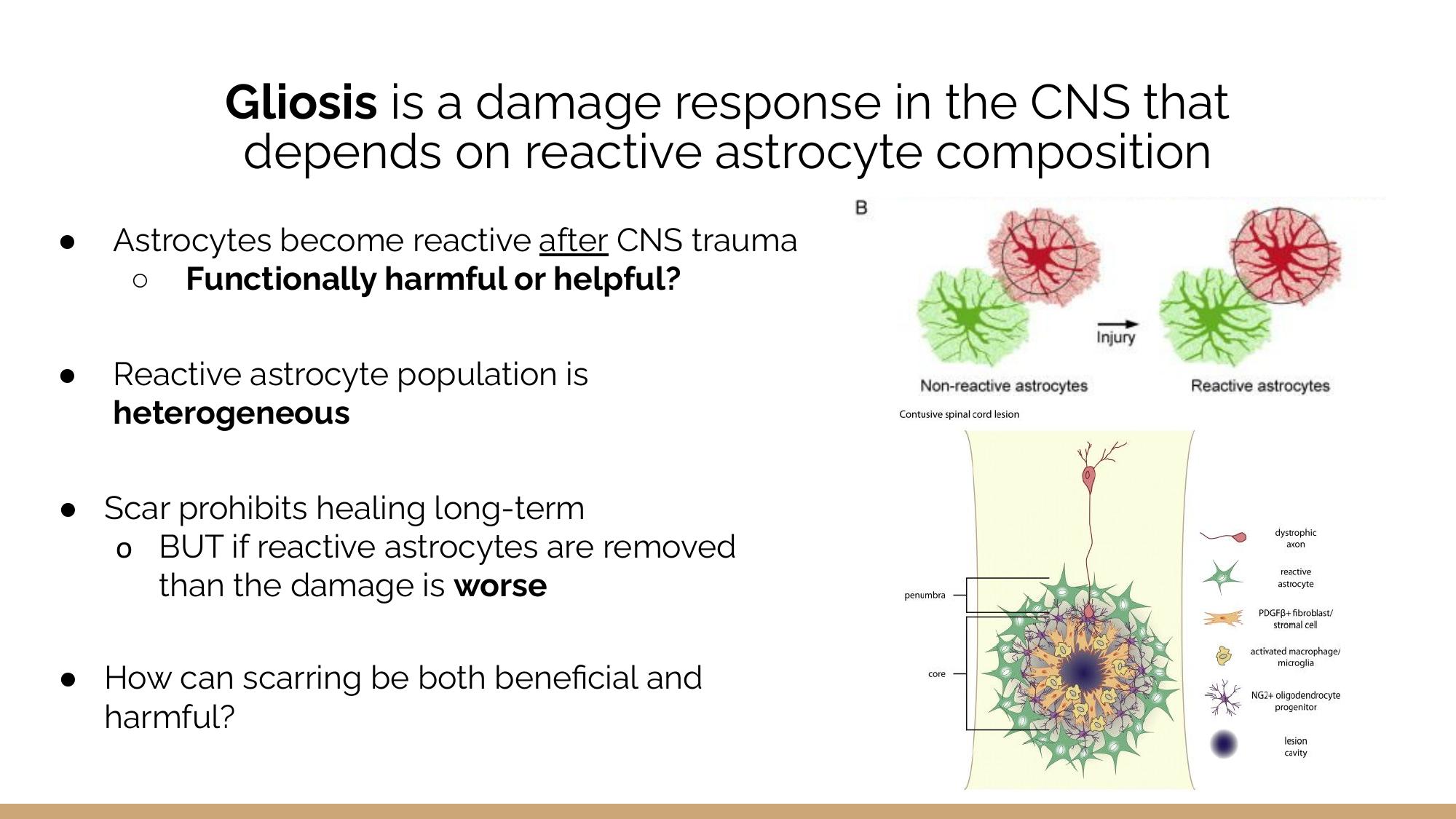
Reactive astrocytes respond to injury through gliosis, forming a protective scar. That scar can also inhibit regeneration, making astrocyte composition a critical variable.
A2 Neuroprotection
A2 astrocytes represent a neuroprotective subtype that may promote axonal repair and neurogenesis. Understanding how to induce them opens a new therapeutic path.
The Problem
Injury to Scar Pathway
Traumatic Injury
Blast waves, shrapnel, or concussive force damage axons, blood vessels, and connective tissue in the CNS.
Astrocyte Activation
Astrocytes become reactive in response to trauma, initiating gliosis as a damage containment response.
Glial Scar Formation
Reactive astrocytes form a scar that isolates the injury site. The scar prevents spread but also blocks regeneration.
The Paradox
Removing reactive astrocytes worsens damage. The scar is both protective and inhibitory. Astrocyte composition determines outcome.
Battlefield blast injuries affect over 30,000 American veterans, with traumatic brain injury correlated with higher incidence of neurodegenerative disease. The core challenge lies in the heterogeneity of reactive astrocytes: some contribute to further damage while others promote repair.
Understanding which astrocyte subtypes drive which outcomes, and how to shift the balance, opens a path toward therapeutic intervention rather than symptom management alone.
Key Insight
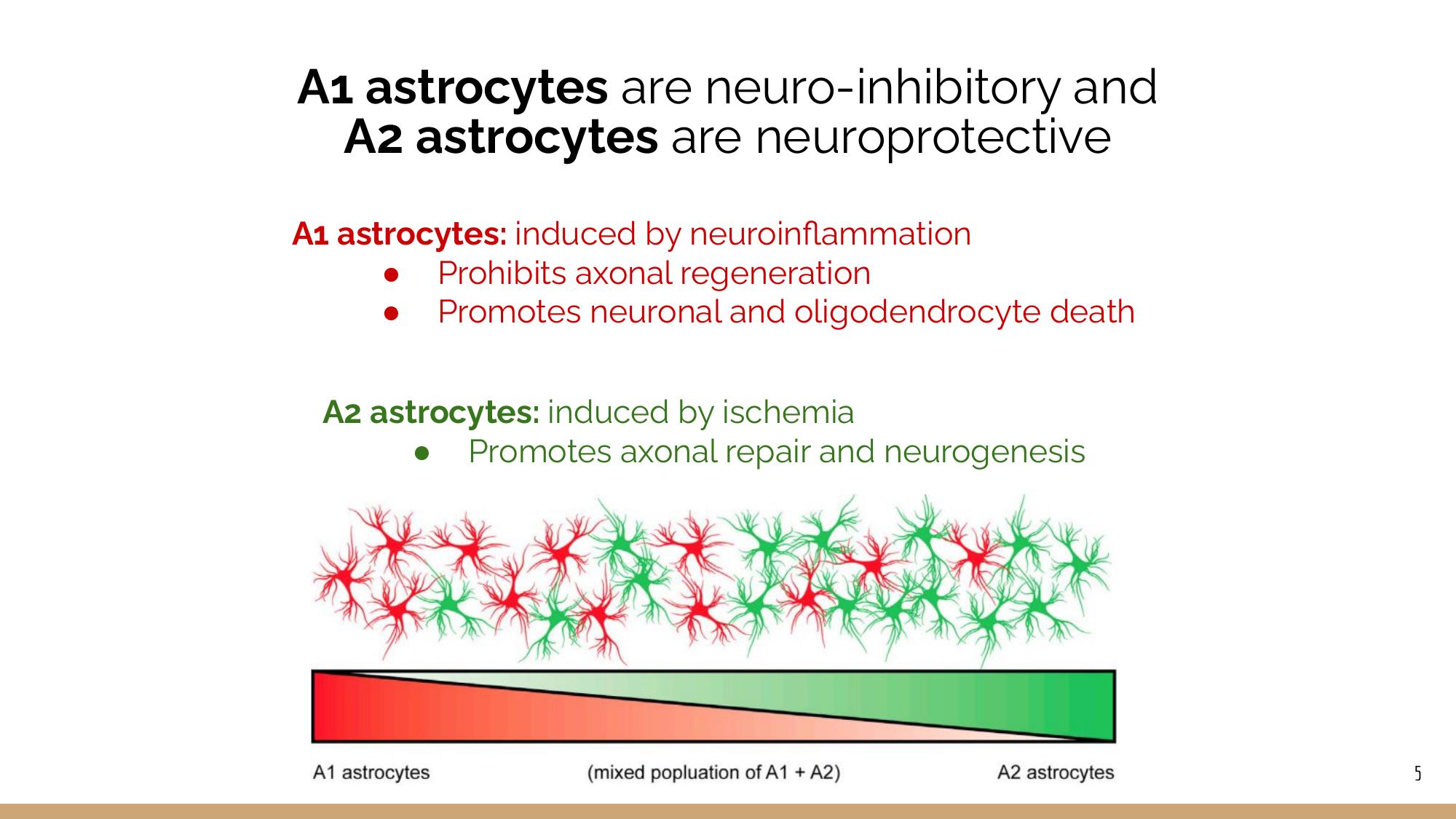
Reactive astrocytes are not a single population. Two functionally opposite subtypes determine whether injury leads to degeneration or repair.
A1 Astrocytes
Induced by neuroinflammation
Pro-inflammatory M1 microglia release cytokines that drive A1 conversion
Neuroinhibitory
Inhibits axonal regeneration and blocks recovery pathways
Promotes cell death
Drives neuronal and oligodendrocyte death at the injury site
A2 Astrocytes
Induced by ischemia
Potentially driven by M2 neuroprotective microglia, though the mechanism remains under investigation
Neuroprotective
Promotes axonal repair and supports neurogenesis at injury sites
Therapeutic target
Upregulating A2 after injury may shift the balance from degeneration toward recovery
Experimental Design
The research plan followed a three aim structure, each building on the previous to move from mechanism identification to functional validation to therapeutic application.
Research Pipeline
Induce
What induces A2 astrocytes?
Identify necessary cytokines. Test whether microglia mediate A2 induction following ischemic injury.
Characterize
What does A2 do in vitro?
Quantify effects on synaptic formation and electrophysiological function in controlled neuronal cultures.
Treat
Can A2 heal injury in vivo?
Test whether A2 upregulation after contusive spinal cord injury improves behavioral and histological outcomes.
Aims
Identify what induces neuroprotective A2 astrocytes
Central Question
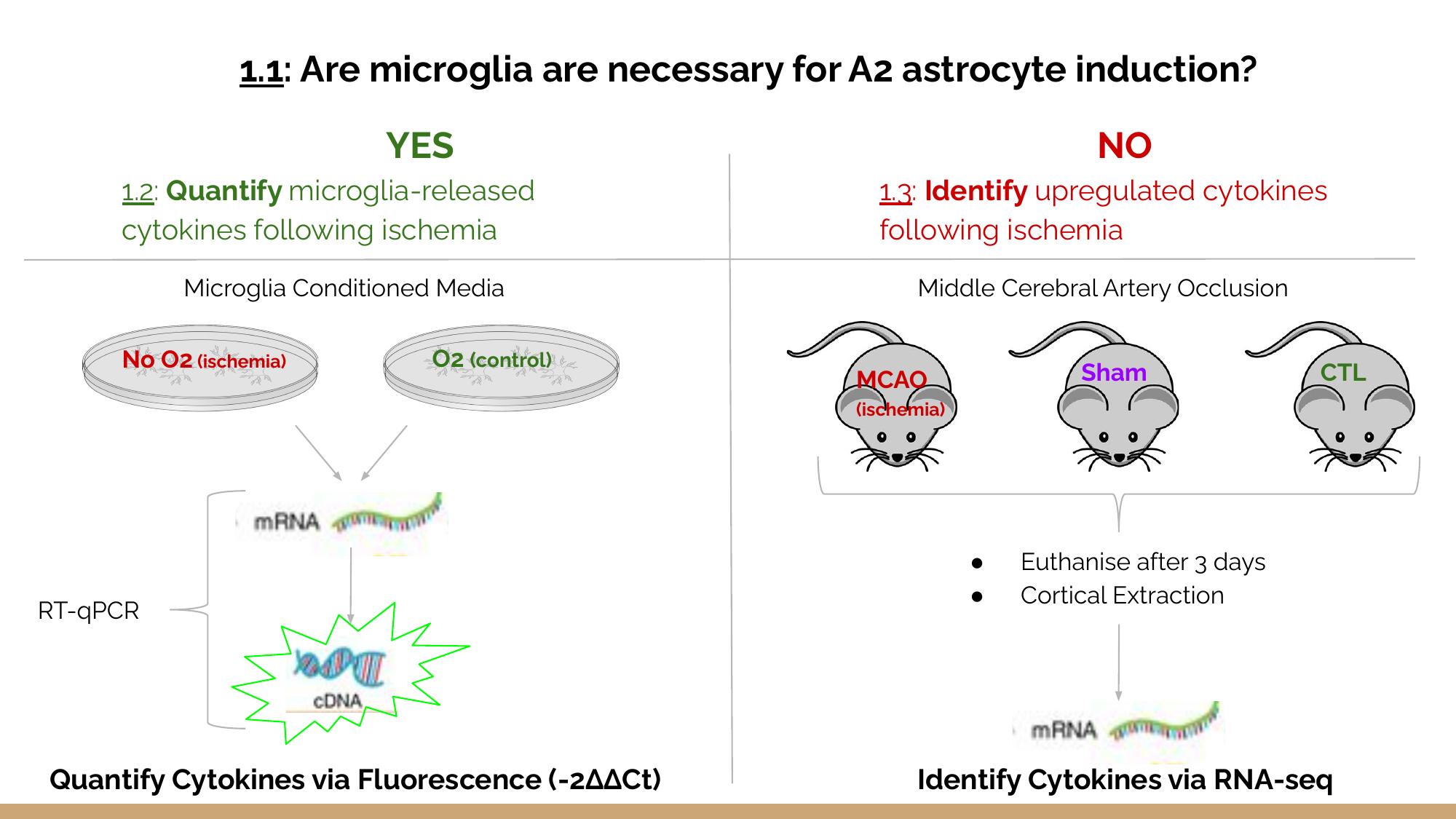
Are microglia necessary for A2 astrocyte induction?
The M1 to A1 paradigm is established. The hypothesis tests whether M2 neuroprotective microglia drive A2 conversion.
Methods
In vivo
Microglia knockout mouse models (MCAO ischemia, sham, control)
In vitro
Oxygen glucose deprivation of microglia conditioned media
Decision Logic
Quantify microglia released cytokines via RT-qPCR
Identify upregulated cytokines via RNA-seq from cortical extraction
Characterize A2 effects on synaptic formation and function
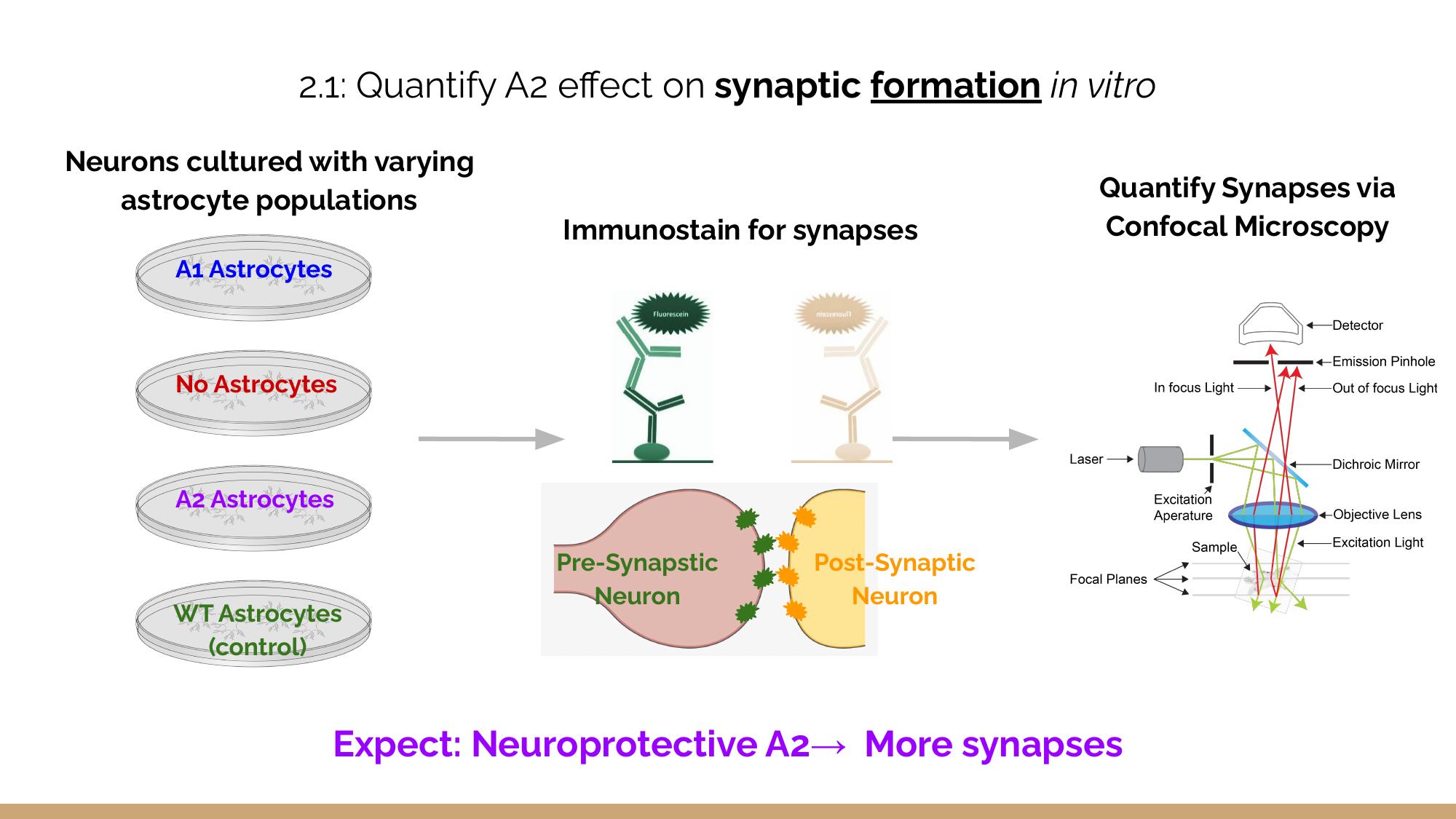
Synaptic Formation (2.1)
Neurons cultured with A1, A2, no astrocytes, and wild type astrocytes. Immunostaining and confocal microscopy quantify synapse density across conditions.
Expected: A2 environment produces more synapses
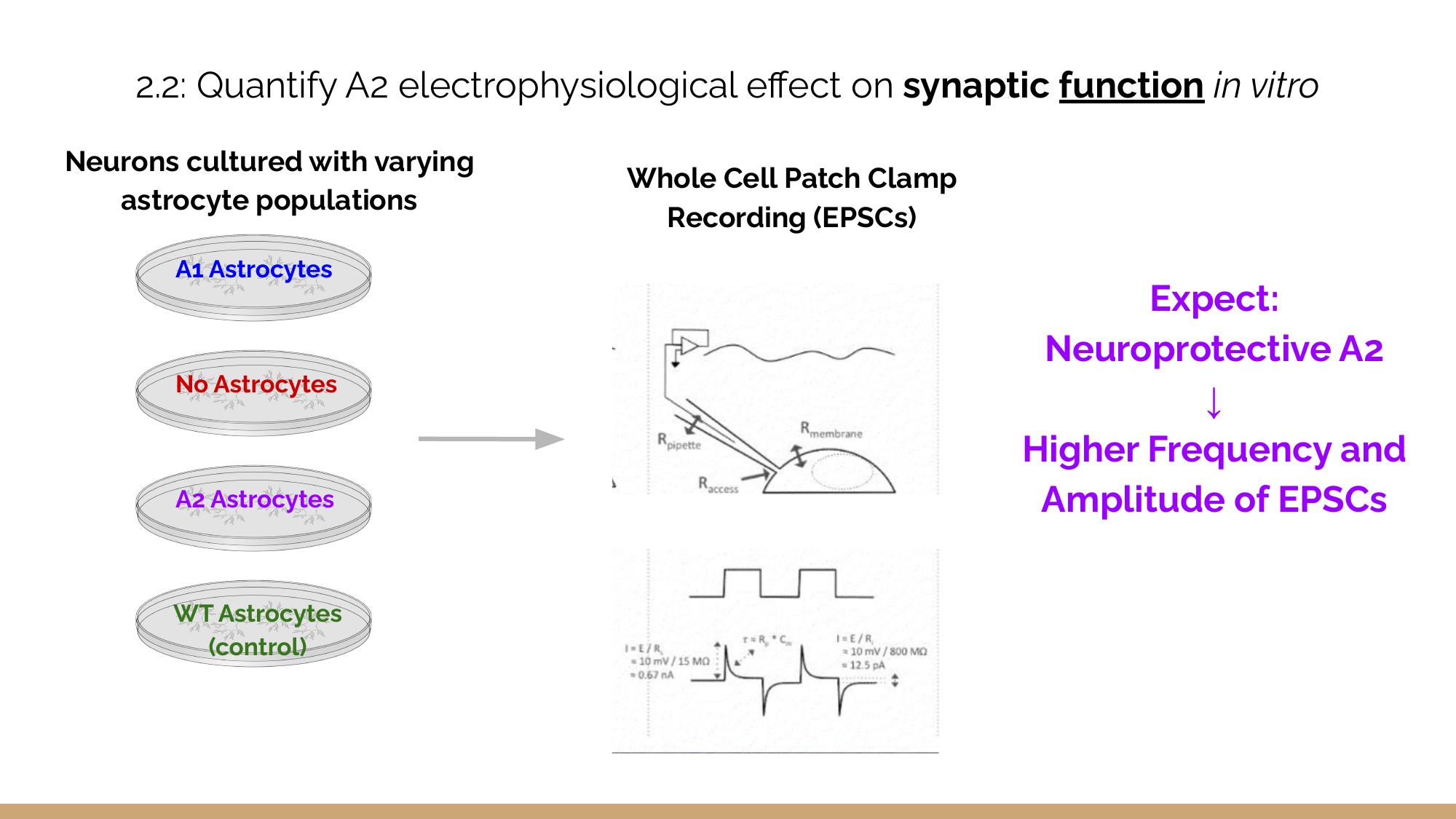
Synaptic Function (2.2)
Whole cell patch clamp recording measures excitatory postsynaptic currents (EPSCs) across the same culture conditions to assess electrophysiological function.
Expected: A2 produces higher frequency and amplitude of EPSCs
Challenges
Antibody specificity addressed through multiple host species and secondary antibodies. Patch clamp time and physical demands may be mitigated by nanoscale recording techniques.
Test therapeutic effect of A2 upregulation after traumatic CNS injury
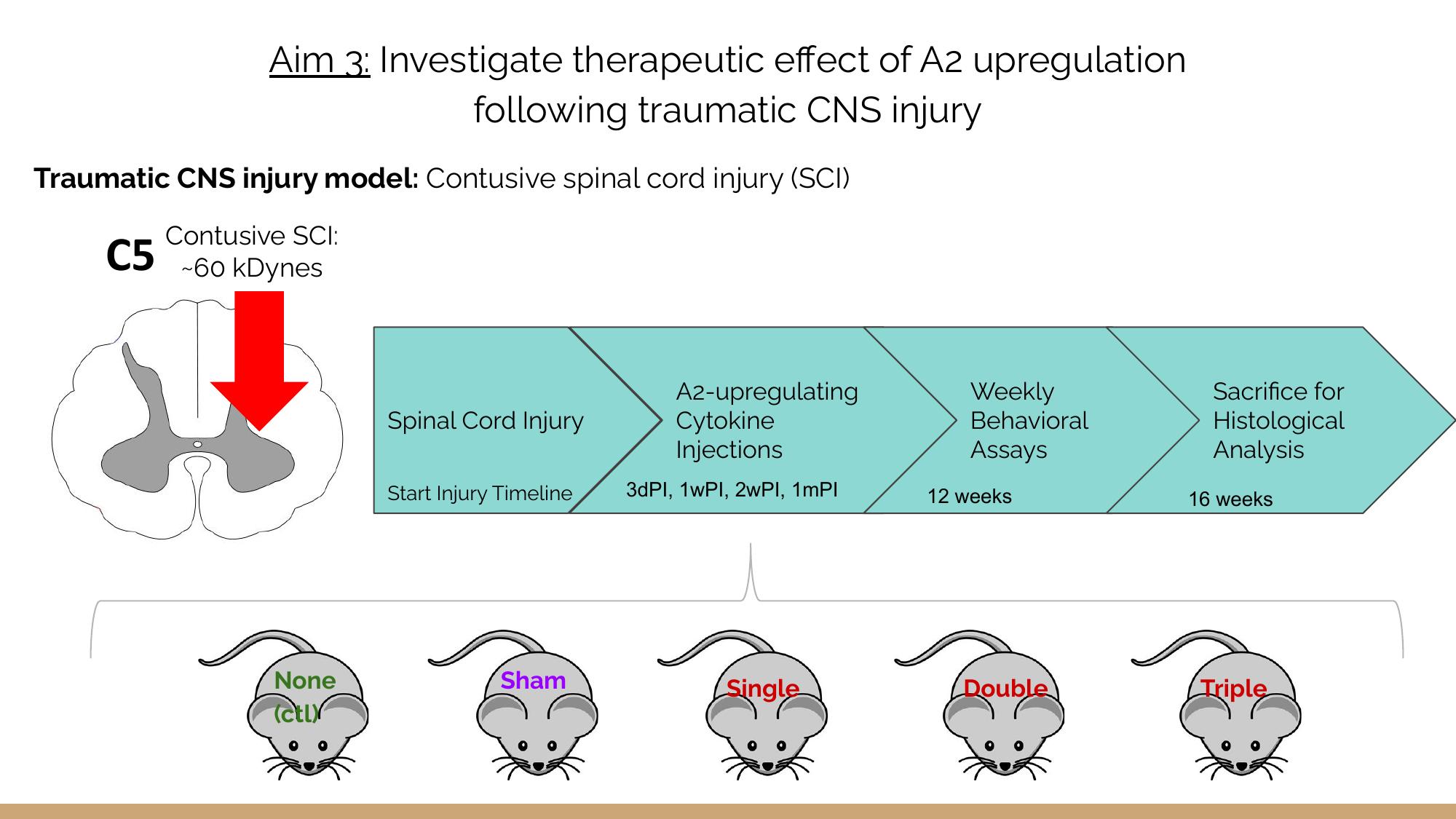
Behavioral Readouts (3.1)
Weekly behavioral assays over 12 weeks measure motor recovery across five injection groups (none, sham, single, double, triple).
Histological Readouts (3.2)
Tissue analysis at 16 weeks measures neural preservation and axonal regeneration. Temporal analysis determines optimal injection timing (acute vs. chronic).
Therapeutic Impact
A2 Induction as Therapy
Modulating A2 astrocyte growth represents a new therapeutic strategy: shifting the reactive astrocyte population from damage promoting to repair promoting after CNS trauma.
Traumatic Brain Injury (DARPA)
A2 modulation could improve recovery time and preserve cognitive function in soldiers affected by blast induced neurotrauma, addressing a DARPA Thrust D priority.
Spinal Cord Injury
Contusive spinal cord injury models demonstrate that A2 upregulation may promote functional motor recovery, with applications for civilian and military injury populations.
Neurodegenerative Disease (NIH)
A2 astrocyte stimulation opens therapeutic pathways for Alzheimer's disease (5M+ Americans affected) and Parkinson's disease, addressing NIH Thrust B neurological disease priorities.
Research Significance
A2 astrocyte induction and upregulation after CNS trauma represents a promising therapeutic strategy to counteract neurotoxicity and degeneration.
Traumatic Brain Injury
Blast-injured veterans
Spinal Cord Injury
Motor recovery after contusion
Neurodegenerative Disease
Alzheimer's and Parkinson's
Presentation
Slide 1 of 35