Lunar Lander: Three Agents, One Landing
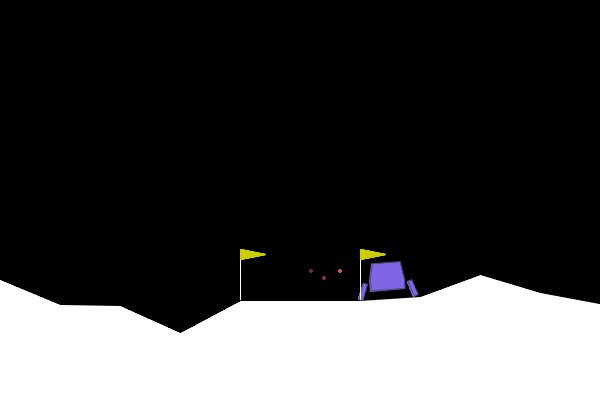
Three reinforcement learning agents learn to land a spacecraft between two flags in the LunarLander environment. Each one comes from a different family of methods, and all three face the same task, the same scoring, and the same 30 test landings.
135,816
steps for Double DQN to solve
239
DQN test average
80%
landing rate, DQN and PPO
9
PPO configurations tested
Problem
Understanding the challenge and user needs
Algorithm comparisons in textbooks rarely share conditions. Whether value-based or policy-gradient methods learn faster, land more reliably, or overestimate their own performance depends on measuring them side by side.
Approach
Strategy and methods used to address the problem
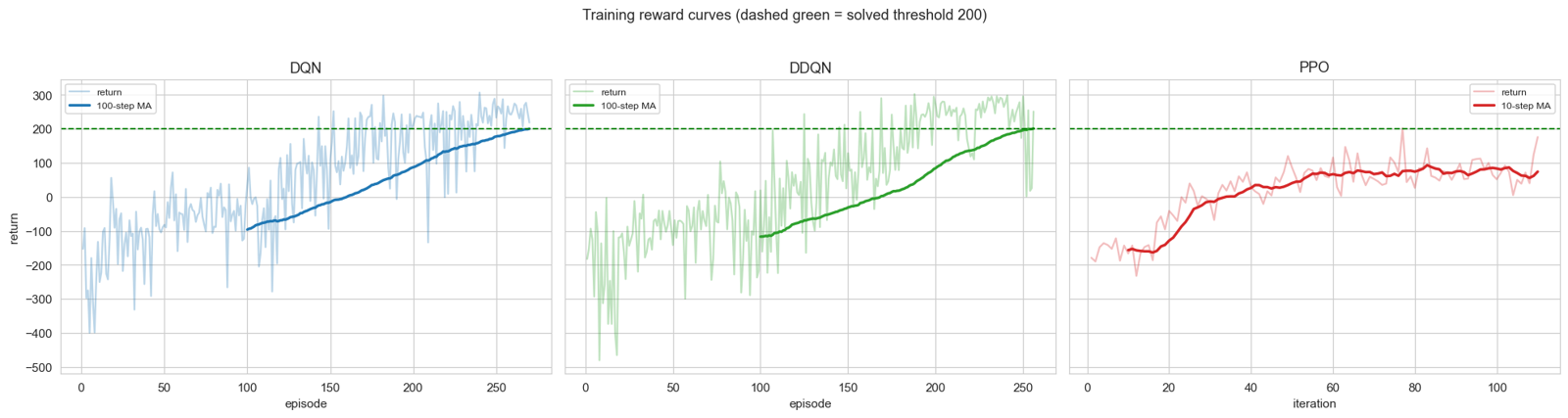
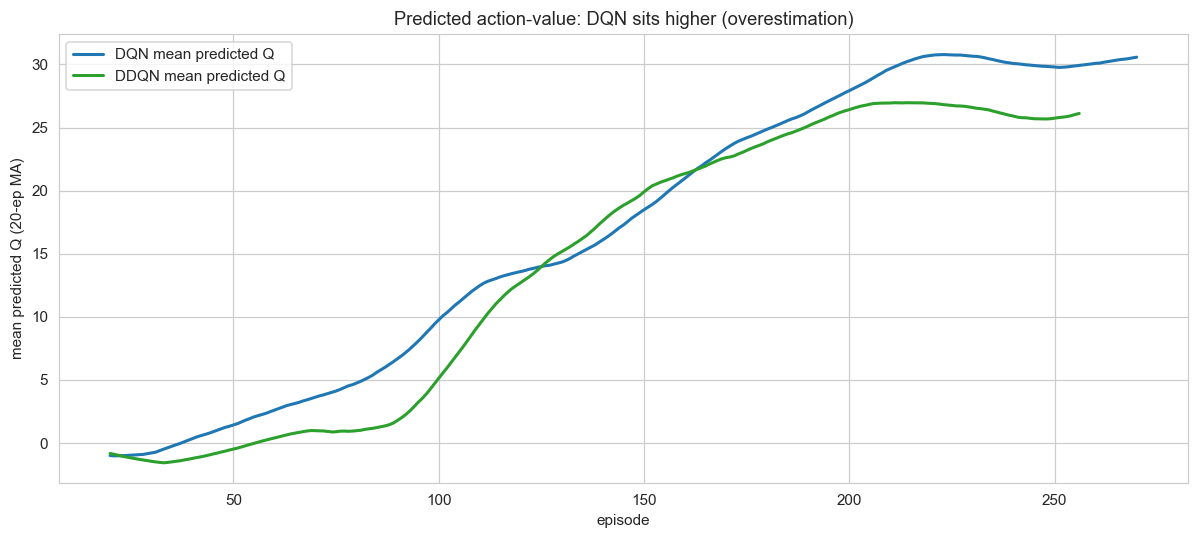
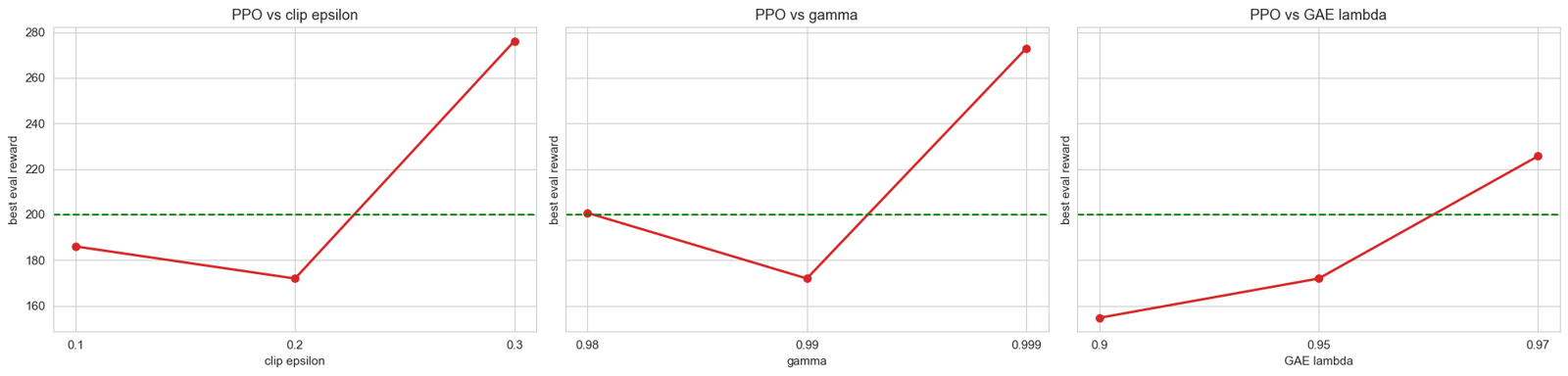
DQN, Double DQN, and PPO each trained until solving the task, with environment steps counted to the point of solution. A sensitivity study varied nine PPO configurations, and a separate analysis tracked how far each value-based agent overestimated its returns.
 (opens in a new tab)
Final Solution
The final design and outcome
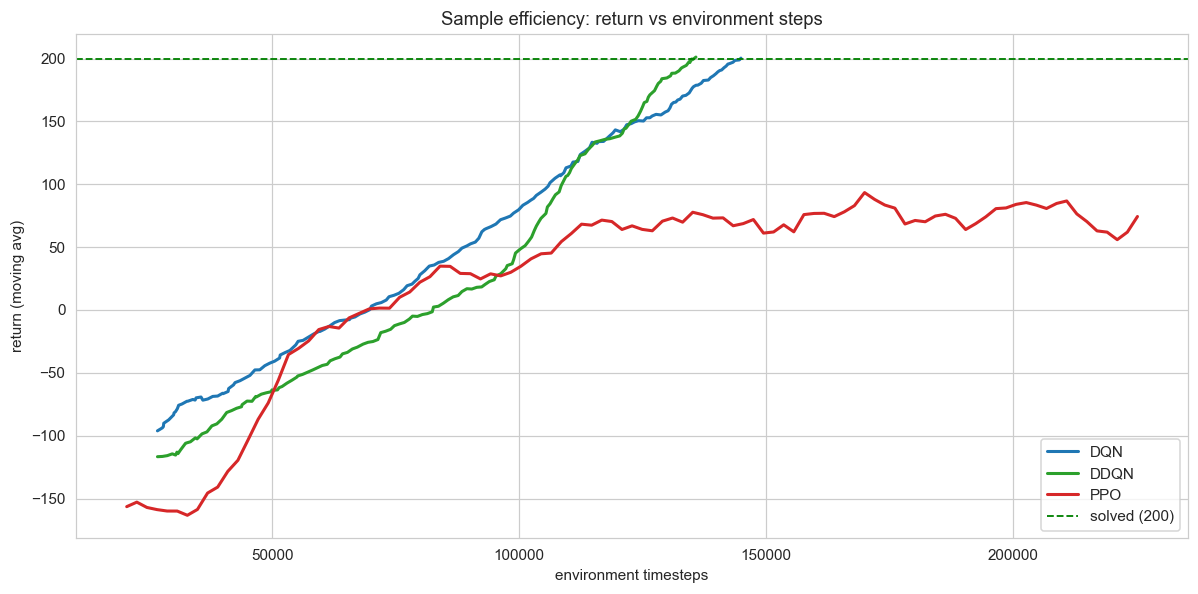
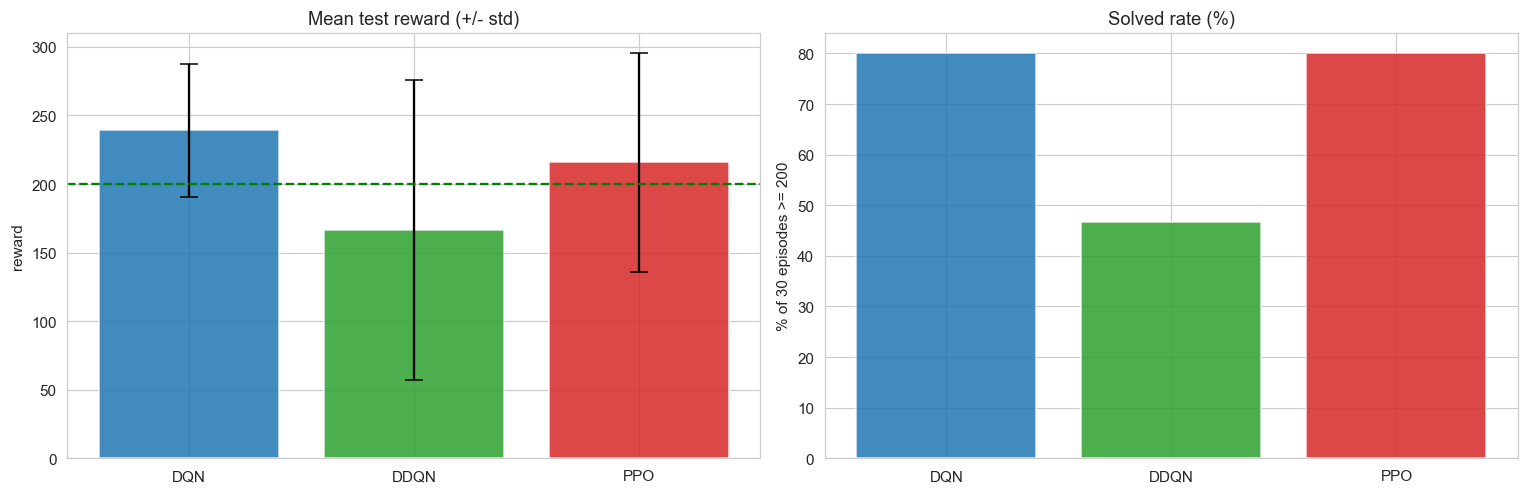
Double DQN solved the task soonest, at 135,816 environment steps, against 144,933 for DQN and 225,280 for PPO. On 30 test landings DQN averaged 239 points and PPO 216, each landing successfully 80 percent of the time, while Double DQN averaged 167 and landed 47 percent.
Three agents on the same task
| Agent | Solved at | Steps to solve | Test average | Landing rate |
|---|---|---|---|---|
| DQN | Episode 270 | 144,933 | 239.2 | 80% |
| Double DQN | Episode 256 | 135,816 | 166.5 | 47% |
| PPO | Iteration 110 | 225,280 | 215.7 | 80% |
Test figures cover 30 landings per agent.
Impact & Validation
Results, learnings, and outcomes
Fastest to train did not mean most reliable to fly. The comparison separates sample efficiency from test performance, a distinction that matters whenever a model moves from training to use.